 Processing ....
Terry Parkway Animal Hospital
(504)361-8799
www.tpanimal.com
|

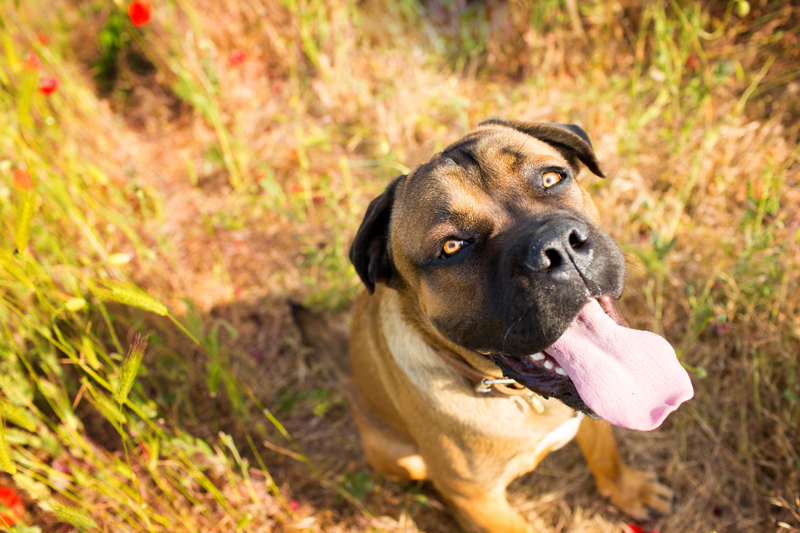
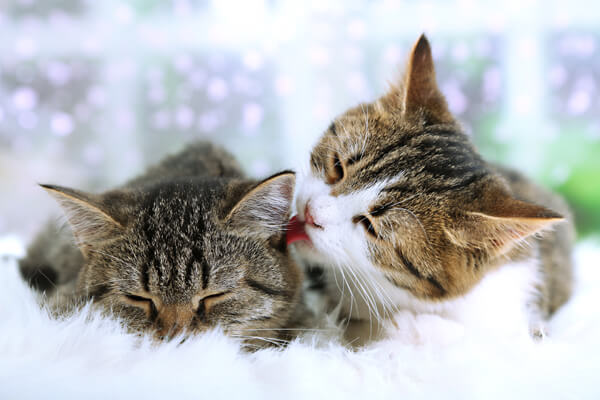
Post-Operative Care for Pets
After your pet has surgery, post-operative care is critical in terms of comfort, safety, and recuperation. Proper post-op care aids healing, minimizes the risk ...
Read more ...
Why Should I Give her Back?
Recently my friend lost her dog. A gate was accidentally left open and away the dog went. Not knowing what has happened to her dog has been hard for her to live ...
Read more ...
Neuropathic Pain in Dogs and Cats
Neuropathic pain is an abnormal painful response. It is caused by injury to or disease of the nerves, spinal cord or parts of the brain that are involved in rec ...
Read more ...
COVID-19 in a Cat: Belgium
COVID-19 virus in a cat: Update March 27A cat in Belgium owned by a person with COVID-19 has been reported to be positive for the virus. The cat developed diar ...
Read more ...
On The Road Again... With Your Four-Footed Friends
“Here kitty, kitty, kitty. Here kitty, kitty, kitty,” called my dad. His trilling was interspersed with mumbling “You #$^%&^% cat, come here!” under his bre ...
Read more ...
Pet Treats...What to Look Out For
Pet treats are widely used, and for good reason. Treats can be useful training tools, and pets typically like treats (and owners like to make their pets happy). ...
Read more ...
 EMERGENCIES